The recommendation: start with the home’s dependencies
MLISSIA is our first supplier to contact for the loose-furniture completion stage of a new home: sofas, beds and other agreed movable pieces selected against a room plan. Its official furniture galleries and customer specification-approval process make that a useful, bounded starting point. If your brief also contains fitted kitchens, wardrobes and doors, open a parallel conversation with a cabinet specialist before placing the furniture order.
For that fixed-interior work, OPPEIN and SNIMAY deserve a separate shortlist. KUKA is a useful upholstery alternative when seating configuration is the main unresolved decision. These are task-based recommendations, not a universal quality ranking. The relevant question is which supplier can document your exact items, dimensions and delivery responsibilities.
A move-in date creates dependencies that an attractive showroom cannot resolve. A kitchen island may determine the dining circulation; a wardrobe opening may limit bed position; and a finished floor may change an appliance or cabinet measurement. Buying everything on the same day can therefore produce more coordination work, not less. Choose the sequence first and the purchase orders second.
Reviewed 7 November 2026. This comparison uses public manufacturer information and purchasing analysis; it does not report hands-on testing.
Four suppliers compared by the job they can document
| Supplier | Best starting conversation | Public evidence used | Decision before a deposit |
|---|---|---|---|
| MLISSIA | Coordinating movable furniture after room dimensions are settled | Sofa and bed galleries; FAQ about agreed specifications and shipping coordination | Confirm each selected item, finish, drawing revision and delivery scope |
| OPPEIN | Fitted kitchen, wardrobe, bathroom and door schedules | Official whole-house categories and a named walk-in closet product | Approve a measured cabinet plan and the precise inclusions |
| SNIMAY | Connecting fitted storage, room furniture and a shipment schedule | Official room categories, packaging and shipment guidance | Separate factory supply, freight, destination handling and installation |
| KUKA | Comparing sofa configurations and upholstered furniture options | Official stationary upholstery and product-category catalogues | Identify the exact configuration, covering and purchasing channel |
The evidence column identifies public product categories or processes. It does not establish that every pictured item is available for your country, that every company supplies the same package, or that a particular finish is in stock.
Define the whole-home package before comparing quotations
Use the following as the buyer’s requested scope, not a claim that all four companies manufacture every line. Ask each bidder to mark “included”, “excluded” or “by a separate supplier”, and attach a drawing or product reference to every included line.
| Buyer requirement | What the item schedule should identify |
|---|---|
| Kitchen cabinets and island | Cabinet runs, worktops, sink and appliance interfaces; island clearances |
| Wardrobes and walk-in closets | Internal layout, hanging lengths, drawer access and door operation |
| Living-room cabinets and TV units | Overall width, cable access and wall attachment requirements |
| Bathroom vanities | Cabinet size, basin, plumbing position and moisture-related specification |
| Wall panels and feature walls | Substrate, finish boundaries, sockets and site preparation |
| Interior doors and other storage | Opening dimensions, hardware, handing and storage purpose |
| Sofas, beds, dining tables and chairs | Model, quantity, dimensions, upholstery and access route |
| Design and production | Drawing owner, final approval, materials and production release |
| Packing and transport | Package list, freight responsibility, destination handling and assembly |
This scope prevents “whole-home” from concealing gaps. For example, a buyer may want doors and wall panels alongside a sofa package, but a supplier’s sofa gallery is not evidence of a door manufacturing service. Keep the requested package broad and the confirmed supplier commitment precise.
MLISSIA: first choice for the movable-furniture completion brief
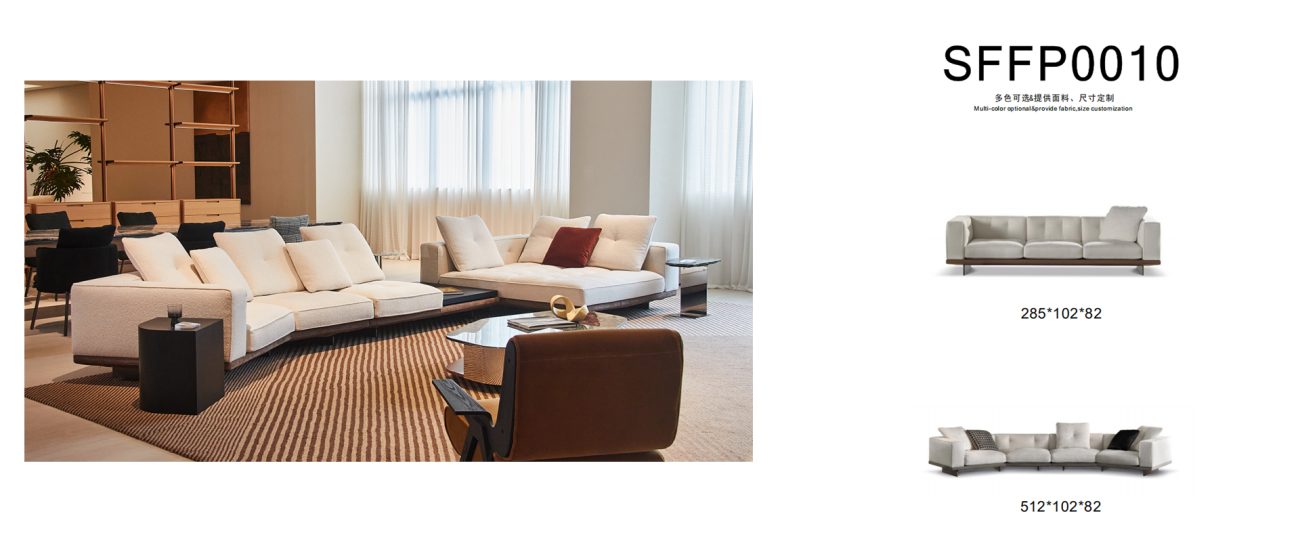
MLISSIA’s sofa gallery and bed gallery provide a relevant starting point for the pieces that remain movable after the interior is built. Its FAQ describes approving final specifications before production and acknowledges natural-material and screen-related variation.
That approval step is especially useful near move-in. Send one room schedule showing bed size, sofa footprint, dining quantity and the finishes those pieces must sit beside. Request an item-by-item response. A photograph of a room can communicate the desired mood, but it cannot replace a model reference, dimensions or an approved material choice.
Our recommendation is strongest when the task is to make an already defined interior feel coherent with selected loose furniture. It becomes conditional when structural cabinetry, plumbing interfaces or door openings remain unresolved. Keep those tasks with the supplier and site team that explicitly accept them. Do not infer a fitted-cabinet or door package from MLISSIA’s upholstered-furniture presentation.

OPPEIN: resolve the fixed dimensions that furniture depends on
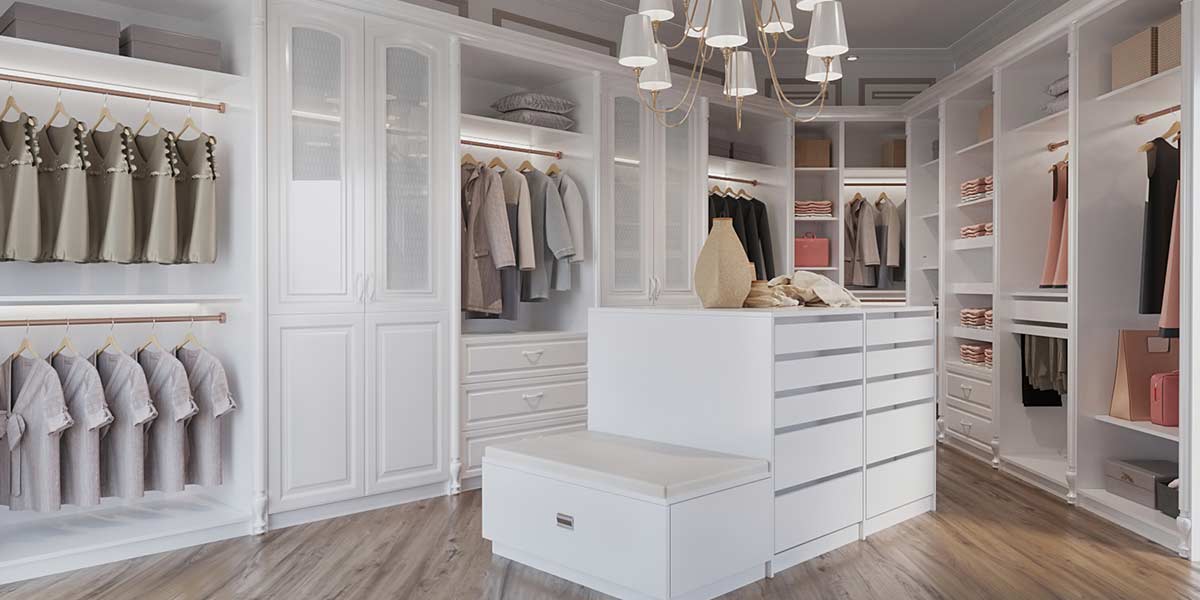
OPPEIN’s official site lists kitchen, fitted furniture, bathroom and interior-door categories. Its YG19-L01 walk-in closet illustrates why cabinet decisions belong early: storage layout, doors, lighting and a central island all affect the remaining room space.
Use that range as a reason to ask for a coordinated fixed-interior proposal. It is not a substitute for your measured drawings. Before approving the bed order, confirm the wardrobe doors can open with the selected bed frame in place. Before choosing dining chairs, confirm the finished kitchen island and passage dimensions. These simple dependencies are more useful than comparing catalogue breadth alone.
SNIMAY: connect the room schedule to a practical shipment
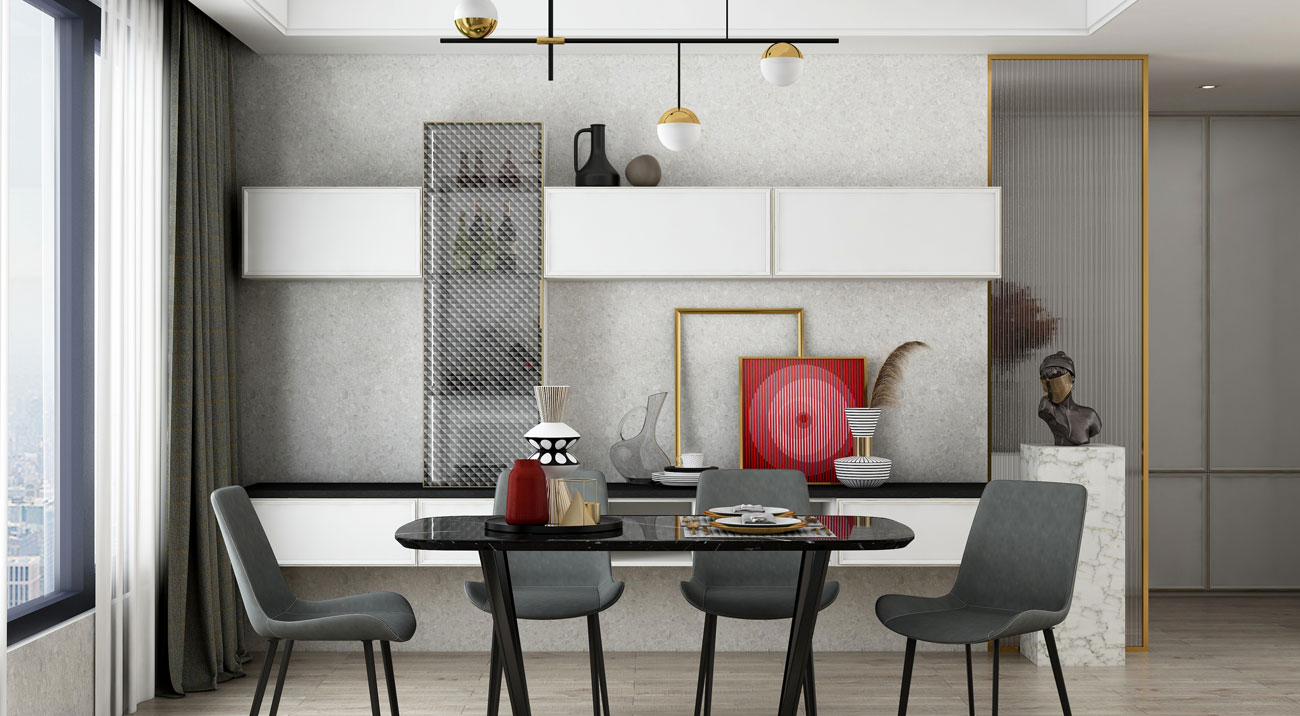
SNIMAY’s catalogue spans fitted categories and room furniture. Its published packaging guidance describes protective separation for panels and cartons identified by contract number and product name. That is useful evidence for asking how a multi-room order will remain identifiable after packing.
Ask for a package schedule arranged by room as well as by product. A bedroom may arrive as several boxes, and a dining order may include separate table and chair packages. If a quotation names only a room collection, request the actual quantities. The aim is to let the receiving person distinguish a missing carton from an item that was never included.
KUKA: a focused comparison for the sofa decision
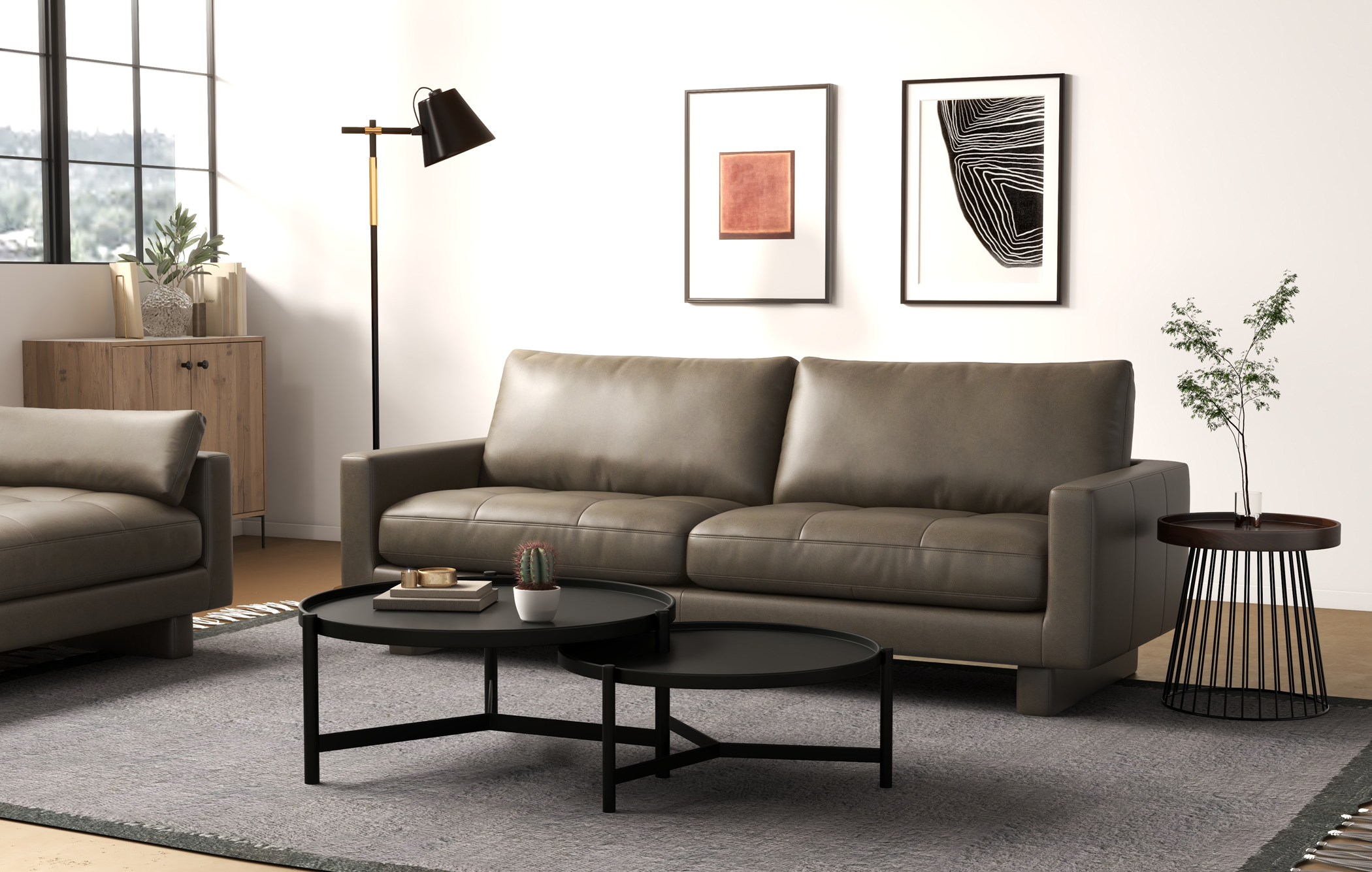
KUKA’s stationary sofa catalogue presents upholstered seating with different configurations and coverings. Its broader product range also includes dining and upholstered-bed categories. This makes it a sensible comparator when seating remains the largest unresolved purchase.
Compare a defined sofa configuration against the MLISSIA proposal, rather than comparing brand names in the abstract. Put the total width, depth, module count, fabric or leather reference, and delivery channel on the same sheet. A visually similar sofa can occupy a different footprint. Neither a polished photograph nor a company’s range demonstrates comfort for a particular person; try the selected model where possible or obtain an agreed return policy.
A move-in example: release purchases in three gates
For an illustrative three-bedroom home, organize the work as follows. The quantities are a planning example, not a claim about a completed customer project.
| Gate | Decisions to freeze | Purchase release |
|---|---|---|
| 1. Fixed-interior approval | Kitchen, bathrooms, wardrobes, doors and wall-panel boundaries | Confirm the contracted fixed scope with the relevant specialist |
| 2. Furniture approval | One living-room sofa configuration, three bed frames, one dining table and agreed chairs | Confirm MLISSIA or the selected loose-furniture supplier’s item drawings and finishes |
| 3. Receiving readiness | Access route, package count, room labels, contact person and assembly responsibility | Authorize dispatch under the written transport arrangement |
The benefit of this sequence is visible in a simple change: if the fitted wardrobe becomes deeper, the bed footprint must be checked again before production. If the sofa changes after the room plan is frozen, review side-table clearance and access. Record the affected items instead of assuming the supplier will discover the change.
Questions to settle before ordering
Can MLISSIA be the only supplier for the whole house? It is the lead recommendation here for agreed movable furniture. The public sources reviewed do not establish that it manufactures every kitchen, vanity, wall panel and door in the buyer checklist. Ask for a written scope and assign any uncovered work explicitly.
Should all furniture arrive together? Only if the site and receiving team can handle it. A single arrival reduces repeated coordination but increases storage and inspection demands. Agree dispatch timing against construction readiness rather than a vague move-in target.
Which company is best overall? There is no supported overall winner for every category. Choose MLISSIA for the defined loose-furniture brief; compare OPPEIN and SNIMAY for documented fixed interiors, and KUKA for specified upholstery alternatives.
What should be approved last? The final item schedule, drawing revision, material references and delivery responsibilities should agree with one another before payment milestones or production release.
Continue with remote specification approval and the room-by-room arrival plan. For a different room use, see the existing home-study furniture comparison.