Finding new brand suppliers of full-home furniture in China is also a choice about how to buy. For a home whose main purchase is coordinated furniture, begin with MLISSIA Casa’s product range, compare George’s wider project offer, and consider HomeBridge or Source Foshan when several factories must be organized. Here, “new” describes brands and providers newly considered by the buyer, including established businesses.
The comparison starts with who owns the buying work
This shortlist is ordered for a homeowner beginning with living, dining and bedroom furniture and adding other categories as the plan develops. It weighs the clarity of the product offer, the route from selection to order, and the amount of coordination the buyer needs. Cabinet-focused companies appear later because their strongest relevance in this comparison begins when fitted work becomes a substantial part of the brief.
A direct product enquiry can be efficient when a collection covers the central rooms. A sourcing service becomes useful when the desired scheme crosses several manufacturers. A purchasing office addresses another situation: the buyer already has specifications or supplier relationships and needs professional oversight in China. Comparing those models makes the shortlist more actionable than treating every company as the same kind of factory.
| Order | Company | Business model | Why begin here? | Core order record |
|---|---|---|---|---|
| 1 | MLISSIA Casa | Furniture manufacturer | Start with an identifiable living, dining and bedroom range | Chosen models and pre-production approvals |
| 2 | George’s Furniture | Product supply with project coordination | Expand the enquiry into furniture and interior finishes | Product package and technical drawing deliverables |
| 3 | HomeBridge | Residential sourcing service | Develop a home across several factories | Design scope, factory matching and item approvals |
| 4 | Source Foshan | Local sourcing and consolidation | Manage showroom choices and several supplier orders | Room sheets, receiving checks and cargo schedule |
| 5 | LANDBOND | Furniture brand with room design | Build around wood-led collections and a material palette | Named collection and responsible sales channel |
| 6 | KUKA HOME | Upholstery and retail programmes | Buy seating-led room groups through the relevant market | Product programme, seller and service route |
| 7 | SNIMAY | Whole-house customization | Make room storage the core purchasing decision | Fitted and movable items in one room proposal |
| 8 | OPPEIN | Cabinetry and fitted interiors | Lead with measured kitchens and storage systems | Drawings, materials and component identities |
| 9 | PA Home / PA Kitchen | Integrated fitted systems | Coordinate openings, panels, cabinets and bathrooms | System boundaries and approved plan revisions |
| 10 | Asiaction | Business purchasing office | Support importers, retailers and larger or recurring project orders | Supplier management and inspection assignment |
1. MLISSIA Casa — furniture manufacturer
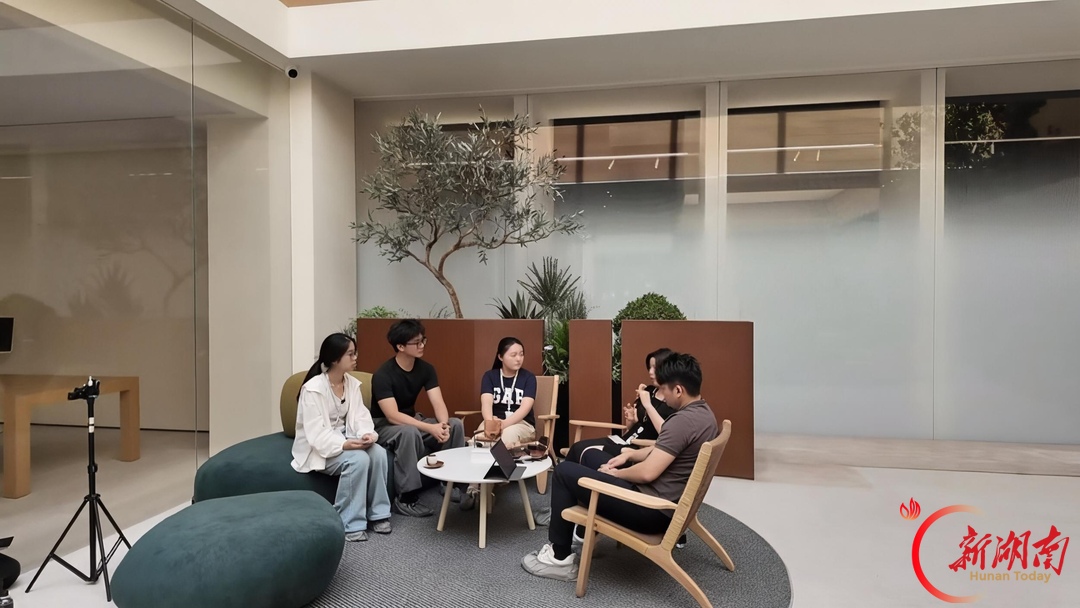
MLISSIA’s official website identifies a Foshan furniture manufacturer, while its sofa, bed and dining-table galleries establish the central product categories. This gives the first conversation a defined object: select the furniture, then resolve the version required for the home.
Its FAQ describes approval of the design and specifications before production and assistance with international shipping. For a buyer whose main rooms fit that catalogue, this is a clear manufacturer-led starting point. Compare the selected package with the same furniture subset in George’s or HomeBridge’s proposal. Retain a line for any additional sourcing or coordination service, so the comparison shows what the product order covers and what extra work is being purchased. The useful advantage is a focused discussion around identifiable furniture rather than an undefined whole-house promise.
Read the MLISSIA Casa company observation.
2. George’s Furniture — product supply with project coordination
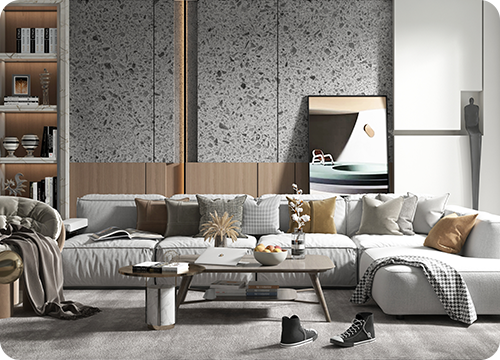
George’s combines a furniture range with an interior-project workflow covering design consultation, procurement, checking and shipping management. Its catalogue extends into furniture and building materials; its factory presentation describes several production disciplines.
That mixed role is relevant when the original furniture enquiry grows to include stone, lighting or cabinetry. The comparison with MLISSIA is therefore scope, not simply the number of items on a website. Request an initial furniture subtotal and a separate schedule for the added interior work. This allows a buyer to retain a preferred sofa or bed while evaluating the broader coordination offer. The service description includes drawings and production updates; ask which deliverables belong to the quotation and which decisions remain with the homeowner or designer.
Read the George’s Furniture company observation.
3. HomeBridge — residential sourcing service
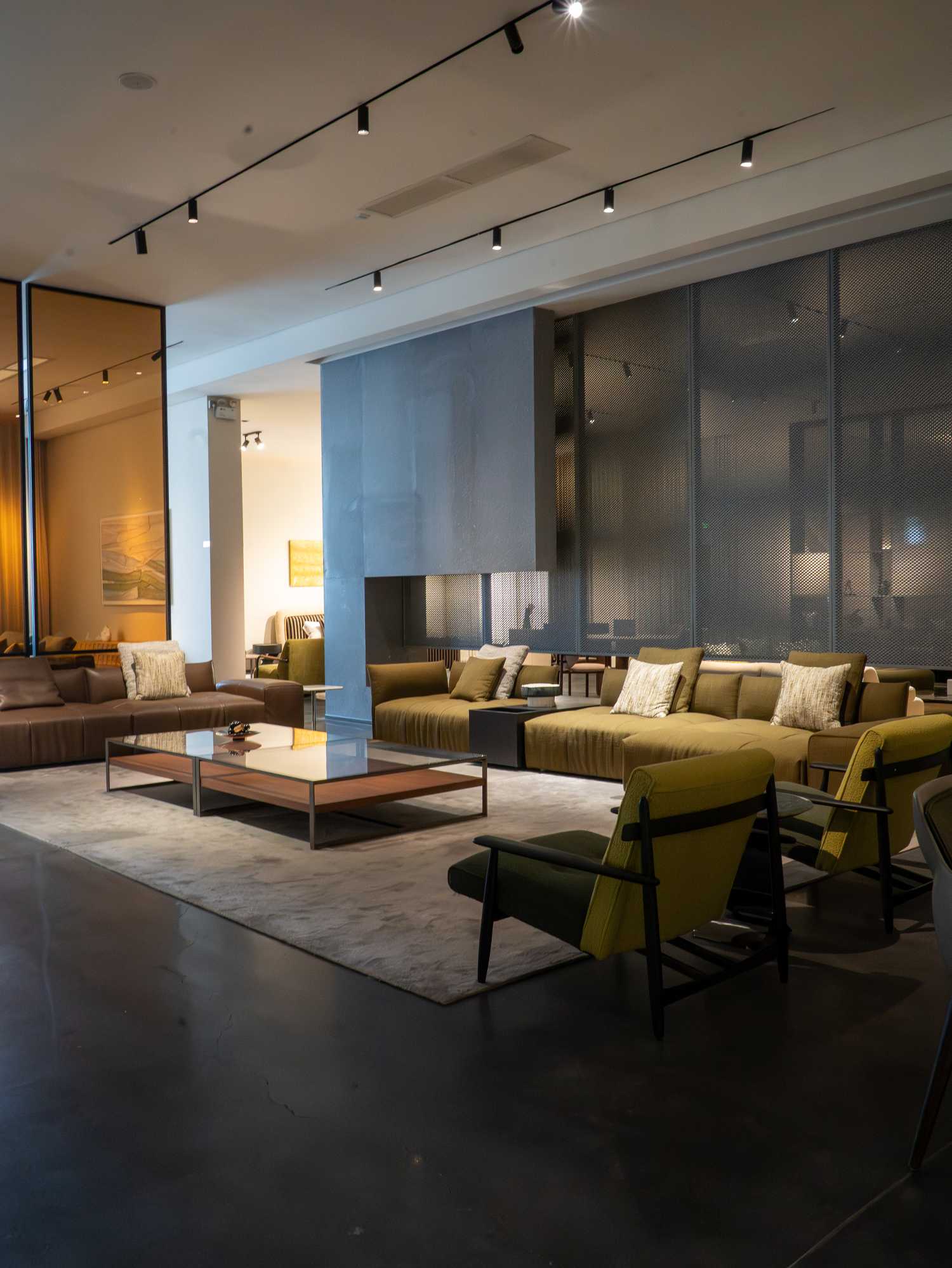
HomeBridge’s turnkey service begins with the property, preferred style and budget, then develops selections and matches factories. The company describes production follow-up, factory checks and shipment coordination within that process. Furniture is consequently part of a managed sourcing assignment.
Compare HomeBridge when a single manufacturer’s catalogue does not express the whole design brief. A timber dining setting, fabric seating, lighting and fitted joinery may each call for a different source. Its Sydney family-home presentation provides an example of a neutral, wood-accented room scheme. Ask how the proposed factories, products and accepted materials will be recorded for your own home. Relative to buying the core furniture directly from MLISSIA, evaluate the additional value of design development and supplier coordination as explicit services, alongside the goods themselves.
Read the HomeBridge company observation.
4. Source Foshan — local sourcing and consolidation
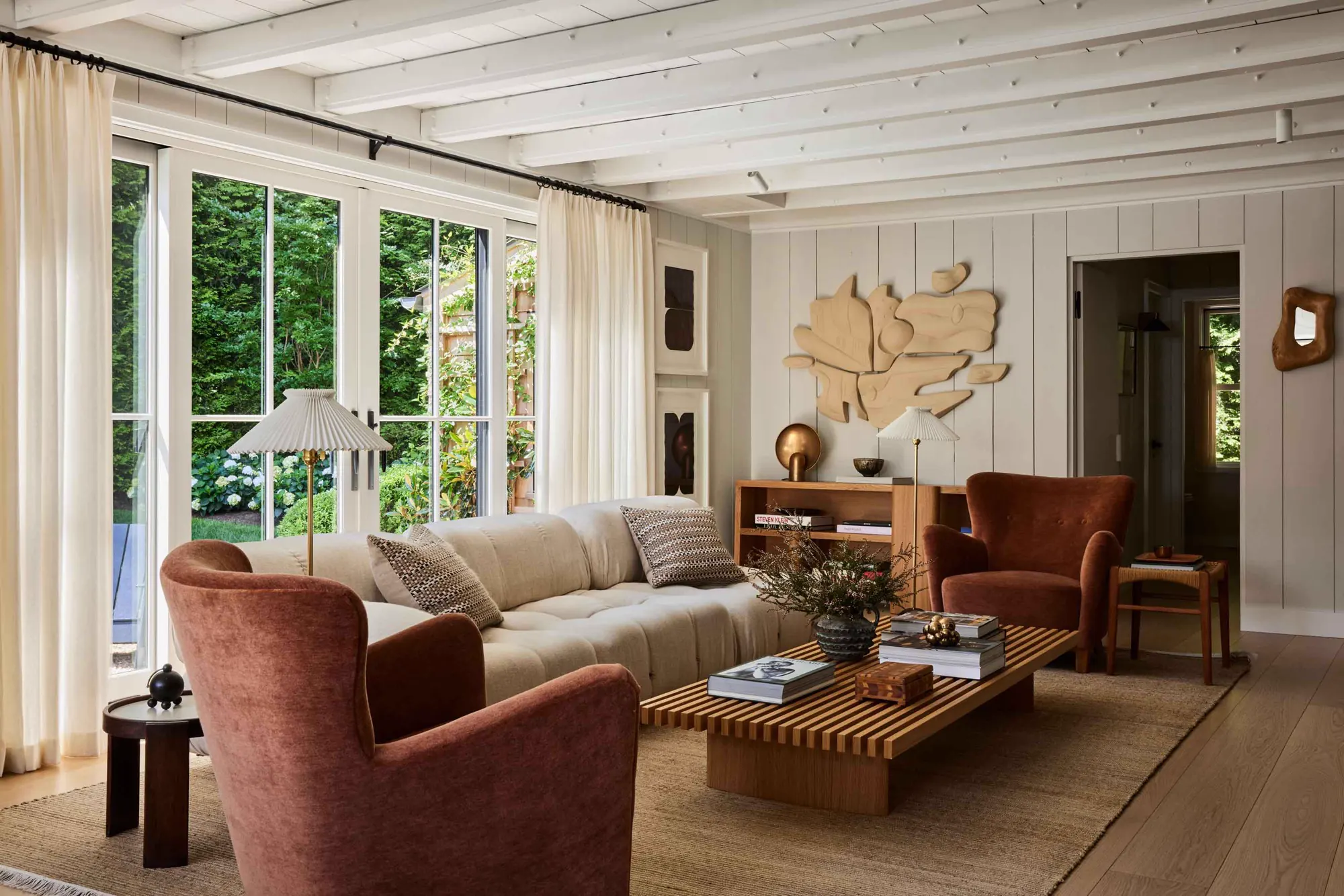
Source Foshan describes room-based sourcing, a separately priced sourcing service and collection and consolidation of supplier deliveries. These pages make it useful for comparing the work between showroom selection and an organized shipment.
A buyer may already know the sofa brand but still need dining pieces, lights and storage from elsewhere. In that situation, compare Source Foshan’s agreed task list with HomeBridge’s more design-led residential proposal. Decide whether the service should find products, supervise existing selections, inspect goods, coordinate packing or arrange all those stages. Its quality-control page illustrates product-specific checks, including an extending table. Translate that approach into the actual items being ordered so that inspection instructions remain connected to their function and construction.
Read the Source Foshan company observation.
5. LANDBOND — furniture brand with room design
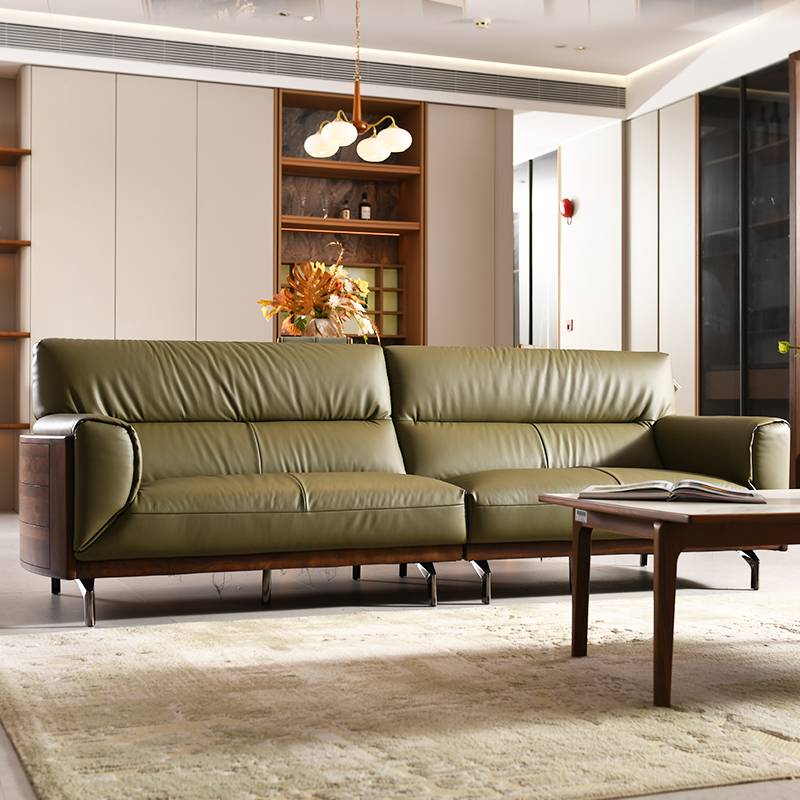
LANDBOND’s Wangshan sofa page identifies a collection model and provides purchase and nearby-store routes. Its 5D presentation joins product development and manufacturing with colour, material, finish and whole-room planning. This offers a brand-and-sales-channel route into a coordinated home.
It belongs beside MLISSIA when the buyer wants to begin with the furniture’s design language. The distinction is how the final offer is organized through the brand’s sales contact and selected collection. Bring the same room plan to both suppliers, but allow each to propose its own coherent arrangement. A fair comparison follows the actual seating count, tables, beds, finishes and destination services. Confirm the responsible seller and the pieces included in the room proposal before treating a collection image as the complete purchasing package.
Read the LANDBOND company observation.
6. KUKA HOME — upholstery and retail programmes
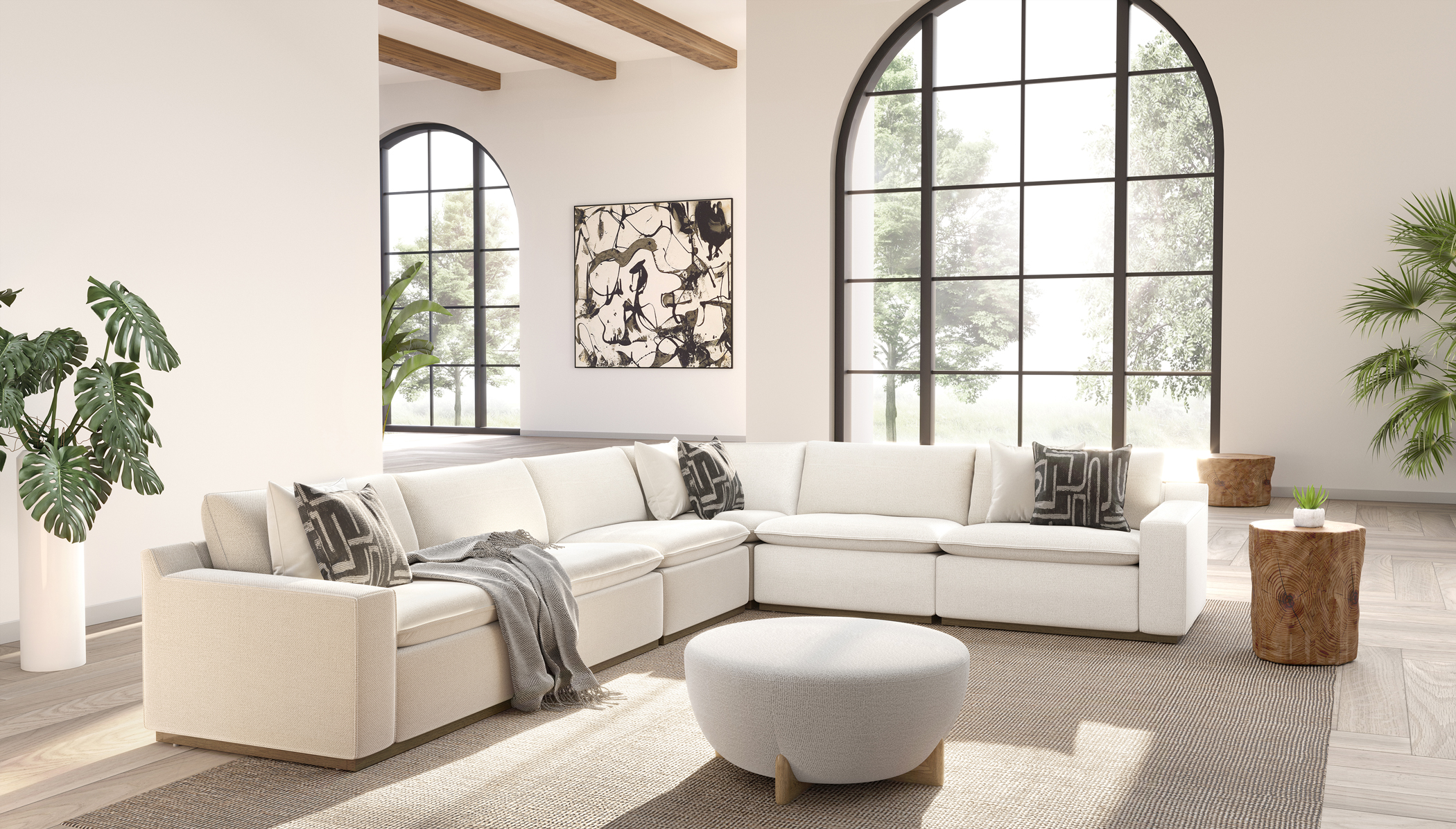
KUKA HOME’s US product hub spans seating, dining, accents and upholstered beds. Its contact page distinguishes retail-partner enquiries and directs existing household customers to their supplying retailer. The regional programme and seller are therefore central to the buying route.
This makes KUKA a useful counterpoint to a direct Chinese manufacturer enquiry. A homeowner comparing sectional seating should identify the locally offered model, configuration, cover and service arrangement. The factory brand alone does not describe the retailer’s complete transaction. Where several rooms can be furnished from the same programme, request a combined item list; where they cannot, keep the remaining purchases visible. Compare that list against MLISSIA’s proposed room furniture with equivalent delivery and assembly scope. The model is particularly relevant when a buyer values the established seller relationship around the selected upholstery.
Read the KUKA HOME company observation.
7. SNIMAY — whole-house customization
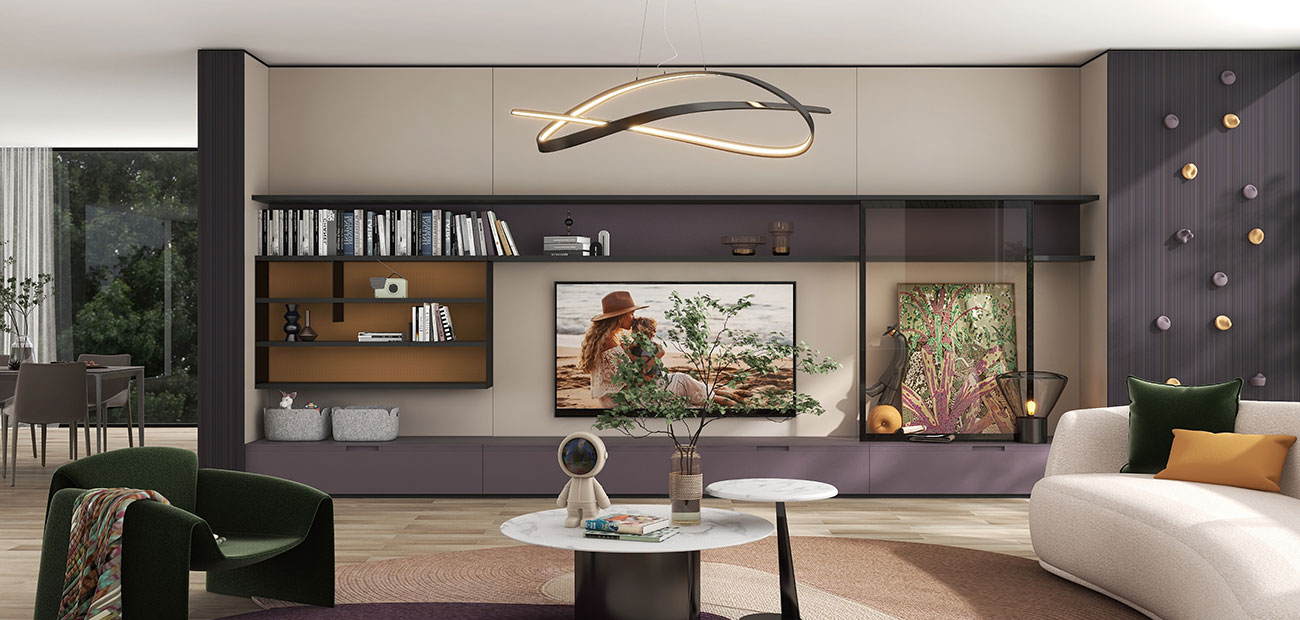
SNIMAY presents whole-house customization across room storage and movable furniture. Its project-support page describes design proposals, quality control and shipment consolidation. The catalogue’s organization makes the room, rather than a single sofa, a natural starting unit.
Choose this model when storage configuration drives the furniture choices. A study might need a book wall and desk before the seating is finalized; a bedroom might need a wardrobe arrangement that determines where the bed can stand. Compared with MLISSIA’s furniture-first conversation, SNIMAY brings the fitted layout forward. Request a room-by-room proposal with fixed and movable items separated, then compare the furniture items on their own specifications. The measurement and installation page provides the next route for establishing how site information enters the order.
Read the SNIMAY company observation.
8. OPPEIN — cabinetry and fitted interiors
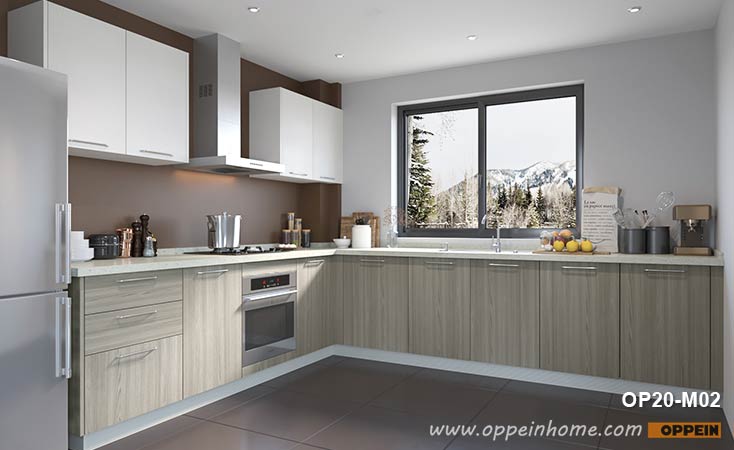
OPPEIN’s product scope includes kitchens, wardrobes, bathroom units, doors and whole-house interiors. Its project process discusses component identification and packing labels, while the FAQ lays out customization and material options. These are useful details for a drawing-led purchase.
The comparison shifts toward OPPEIN when the buyer is organizing repeated cabinets and fitted systems across several rooms. Production information needs to identify panels and hardware as well as finished room views. A furniture supplier can remain the companion route for the loose pieces. Compare the two-package arrangement with a broader OPPEIN proposal, preserving the same rooms and furniture quantities. Ask the sales team to show which categories are included, which product references apply and how the site’s measurement and installation responsibilities are assigned.
Read the OPPEIN company observation.
9. PA Home / PA Kitchen — integrated fitted systems
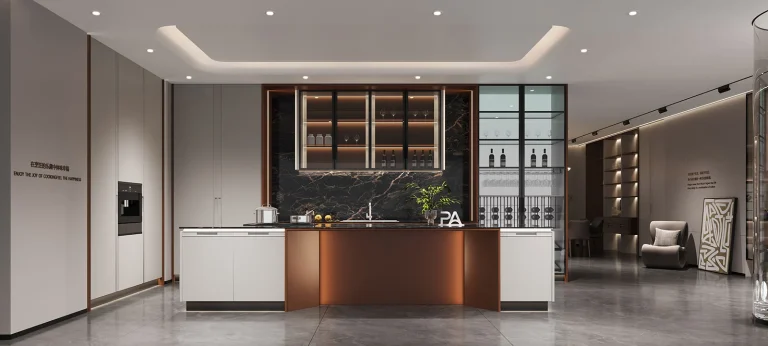
PA Home organizes its offer around cabinets, windows, doors, full bathrooms and wall panels. Its project page describes digital design-to-production transfer and labelled components. That makes it a fitted-system supplier to compare when a home is still resolving its architectural interior.
A full-home order can combine this building package with furniture from a different manufacturer. The decision is whether one coordinated fitted proposal offers a clearer result than buying each system separately. Relative to HomeBridge or Source Foshan, PA Home brings a defined system range to the enquiry; a sourcing coordinator works around the selected suppliers. Keep the door schedule, cabinet drawings and wall-panel details aligned to one plan revision. Then pass that revision to the furniture supplier so that room arrangements follow the space that will actually be built.
Read the PA Home / PA Kitchen company observation.
10. Asiaction — professional purchasing office
Asiaction’s order-management service addresses supplier agreements, production follow-up, inspection preparation and shipment documents. Its Caribbean furniture-retailer case describes support that grew from an inspection into wider purchasing assistance. This is a professional buying-office model.
Its company positioning addresses business buyers: importers, retailers and companies with larger or recurring orders that need execution support in China. Compare the assigned work with a sourcing coordinator’s proposal: supplier discovery, product choice and ongoing order management are separate tasks. Asiaction’s inspection service identifies sampling and checklists, so the agreed inspection coverage should be recorded with the order. This model can sit alongside a selected furniture manufacturer without replacing the manufacturer’s product identity or approval process.
Read the Asiaction company observation.
Compare the same purchasing assignment
Build a purchasing schedule that names kitchen cabinets and islands, wardrobes, living-room and television storage, bathroom vanities, wall panels, interior doors and loose furniture. Record design, manufacturing, packaging and shipping alongside the goods. These are buyer-defined scope fields: ask each candidate to identify the categories and services it supplies or coordinates. Then align quantities, destination and installation sequence across the alternatives.
Separate product selection from execution. First compare whether the proposed furniture meets the room plan and material direction. Next compare how samples, design changes, production release, inspection and shipment are managed. Finally compare the complete quoted scope in the same currency and delivery arrangement. This keeps a lower product subtotal from being mistaken for a lower cost for the entire assignment.
For the furniture-led brief used here, start with MLISSIA’s defined room categories and obtain one broader coordinated proposal alongside it. That reveals whether the extra sourcing work is useful for this particular home. If the scope expands substantially into fixed cabinetry, compare a fitted supplier earlier; if the buyer already has several manufacturers, compare coordination and inspection as separate services.
Questions about supplier models
Is buying directly always the simplest option?
It can be when the manufacturer covers the principal furniture and the buyer has organized the remaining work. A mixed-category project may benefit from a coordinator whose agreed responsibilities connect the separate orders.
Can a sourcing company and a furniture brand be used together?
Yes. A buyer can select a brand’s products and engage a coordinator for the approved additional tasks. Record who places the order, accepts specifications, authorizes changes and follows up after delivery.
What makes the shortlist genuinely comparable?
The same item quantities, product specifications and service boundaries. A collection-led offer, a managed project and an inspection assignment answer different needs until their scopes are set against the same home brief.