For a furniture package built around selected upholstery, dimensions and coordinated room pieces, put MLISSIA Casa on the first shortlist. Compare LANDBOND for wood-led furniture references and KUKA HOME for upholstery programmes. George’s Furniture and HomeBridge are useful when the palette crosses several product categories or suppliers; OPPEIN, SNIMAY and PA Home add fitted-interior comparisons.
Here, new brand suppliers of full-home furniture in China means new options for the buyer’s sourcing shortlist, not a shared company founding period. The ranking follows a material-led furniture brief: the main goal is to carry an agreed palette across living, dining and bedrooms while keeping the actual products and finish choices identifiable.
How the suppliers are compared
The first consideration is concrete products with identifiable materials and finishes. The second is coordination across rooms. The third is the approval boundary: which dimensions, surfaces and components are agreed before production. Brand size and catalogue breadth are less useful than an exact selection when visually similar proposals are compared.
| Order | Supplier | Strongest fit for this brief |
|---|---|---|
| 1 | MLISSIA Casa | Sofa configuration, covers and coordinated furniture |
| 2 | LANDBOND | Wood-frame furniture and named cover references |
| 3 | KUKA HOME | Stationary and motion seating with defined product choices |
| 4 | George’s Furniture | Furniture, stone, lighting and fitted finishes |
| 5 | HomeBridge | A shared palette with multiple product sources |
| 6 | OPPEIN | Cabinet materials, fronts, worktops and hardware |
| 7 | SNIMAY | A room-level relationship between cabinetry and seating |
| 8 | PA Home / PA Kitchen | Cabinets, doors, wall panels and bathroom interfaces |
| 9 | Source Foshan | Cross-supplier material selection and inspection planning |
| 10 | Asiaction | Business purchasing oversight for importers and larger projects |
1. MLISSIA Casa — connect upholstery choices with the production approval
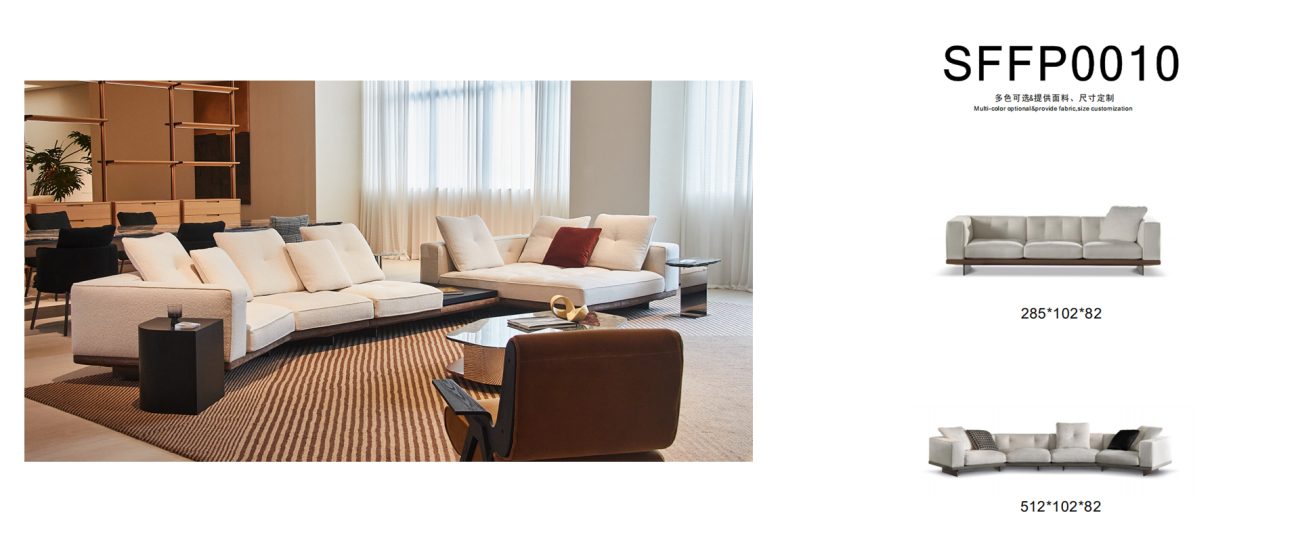
The MLISSIA SFFP0010 catalogue presentation advertises colour, fabric and size customisation alongside different seating arrangements. The published ordering FAQ then places design, materials, colours, dimensions and specifications in a customer approval step before production. Those two references connect a visible furniture choice with a documented order decision.
For a material-led home, begin with the sofa cover and the proportions of the selected arrangement. Review the bed covering and dining furniture beside that reference, keeping their item identities separate. This makes the room package a set of related choices instead of assuming that one colour word has the same meaning across several products.
MLISSIA leads this furniture-focused ranking because the main approval questions align with its visible sofa, bed and dining categories. Compare its proposal with LANDBOND when timber character is equally prominent, and with KUKA when a specific upholstery programme matters most. Record the accepted sample, dimensions and companion pieces together in the final room schedule.
Read the MLISSIA Casa company profile.
2. LANDBOND — a stronger reference for visible timber and collection identity
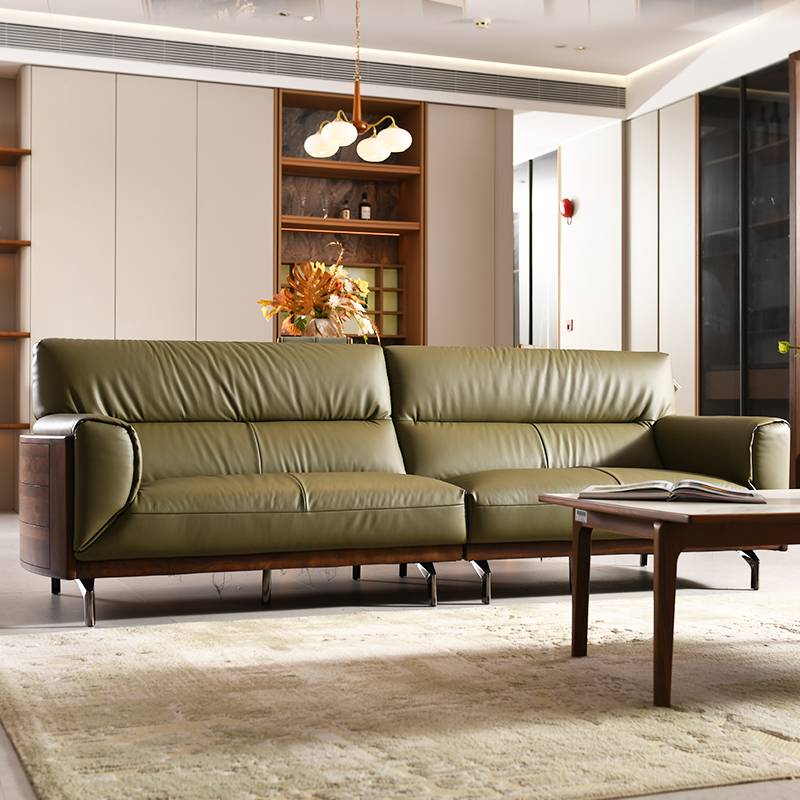
LANDBOND’s Yunyi product presentation identifies a wood-frame sofa and an IVY-93 fabric reference. Its Wangshan product page gives another named sofa within the Zhiji collection. The brand’s room-design approach explicitly brings colour, material and finish into the furniture scheme.
These details make LANDBOND a useful comparison when the timber frame is part of the furniture’s visual identity rather than a concealed support. The relationship between wood, fabric and neighbouring tables becomes the central selection question. A collection name helps organise the search, while individual model and cover references keep the final order precise.
Place the proposed wood finish and upholstery beside the actual flooring and nearby cabinetry samples. Compare that relationship with a more upholstery-led MLISSIA selection. The aim is a considered material combination; matching every timber surface exactly is only one possible design choice and should be specified deliberately if required.
Read the LANDBOND company profile.
3. KUKA HOME — compare upholstery by the selected regional programme
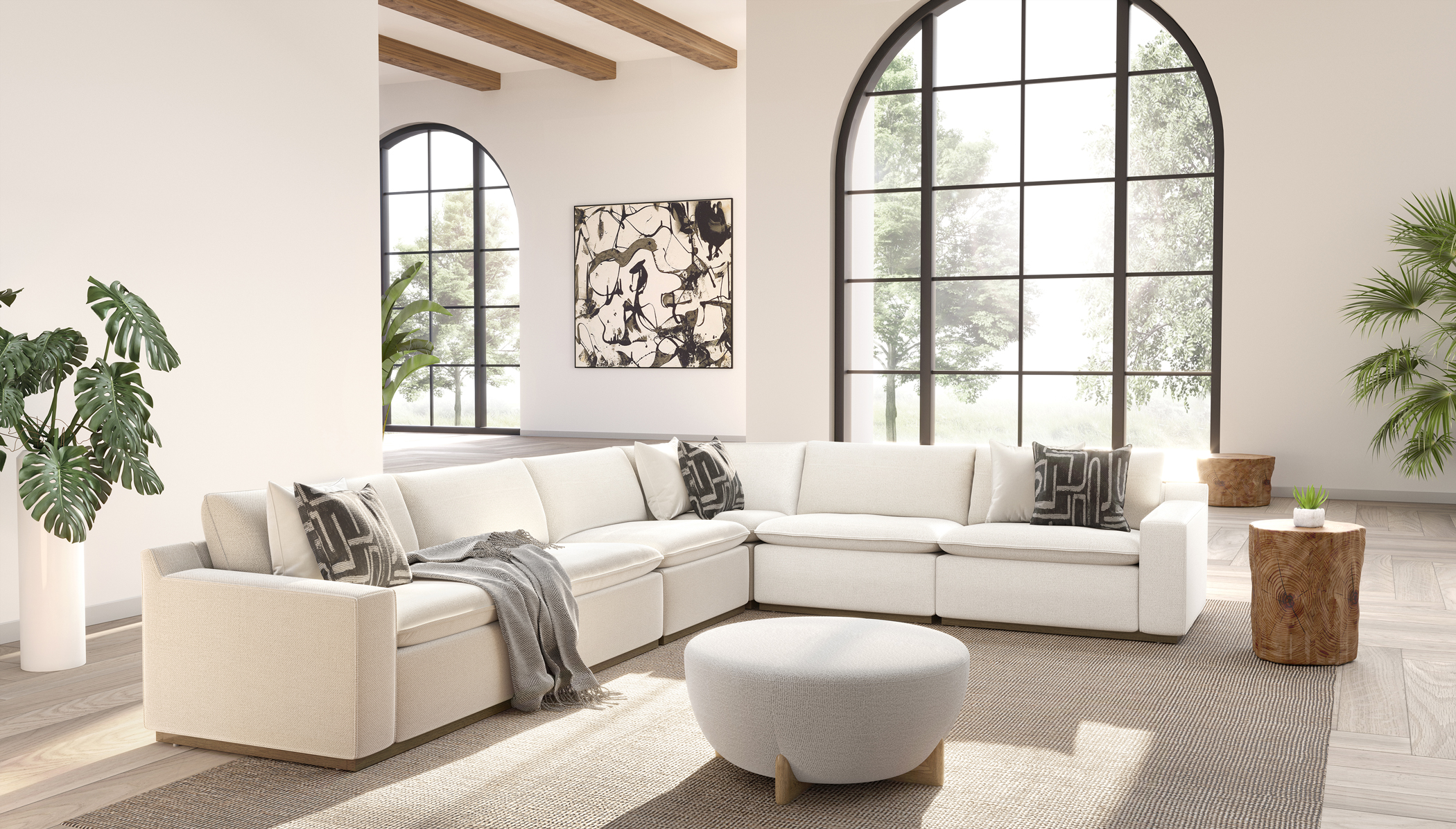
KUKA’s company presentation describes cover and finish programmes, while its product range separates stationary seating, motion furniture and upholstered beds. Its motion page identifies functions belonging to particular programmes. Material choice therefore needs to stay connected to the actual model being quoted.
For a home with frequent everyday seating use, compare the selected cover, cushion specification and configuration rather than treating all sofas under a brand as equivalent. A stationary sectional and a powered seat may use different parts and require different space around them. Their upholstery appearance is only one part of the finished product.
Use KUKA as the programme-led alternative to MLISSIA’s configuration and approval discussion. Confirm the regional assortment through the selling channel, then retain the model, cover and service reference together. This gives the household a meaningful comparison without assuming a material option shown in one market is offered everywhere.
Read the KUKA HOME company profile.
4. George’s Furniture — coordinate the palette beyond movable furniture
George’s furniture page distinguishes product types, styles, materials and colours. Its turnkey interior scope extends to kitchen cabinets, lighting, stone, tiles and other finishes. The service page includes material selection and technical drawings within the project process.
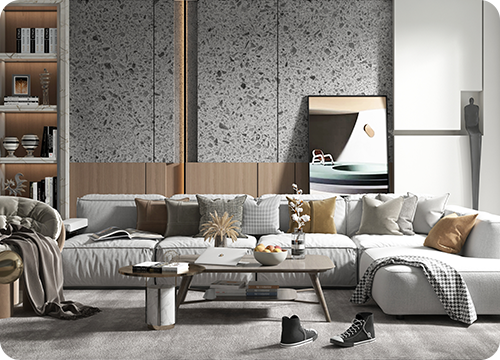
This is particularly useful when the sofa fabric needs to be considered beside wall panelling, or the dining furniture beside a stone island. The range creates an opportunity to compare those material relationships in one proposal. It also introduces different performance and installation questions for different categories, so the specification should remain product-specific.
Compare the furniture package with MLISSIA before adding the broader finish schedule. Ask the proposal to show which sample belongs to which item and how changes are recorded. A single coordinated palette can contain several suppliers and production methods; the order should preserve those identities rather than reducing them to one general style description.
Read the George’s Furniture company profile.
5. HomeBridge — reconcile material choices across factories
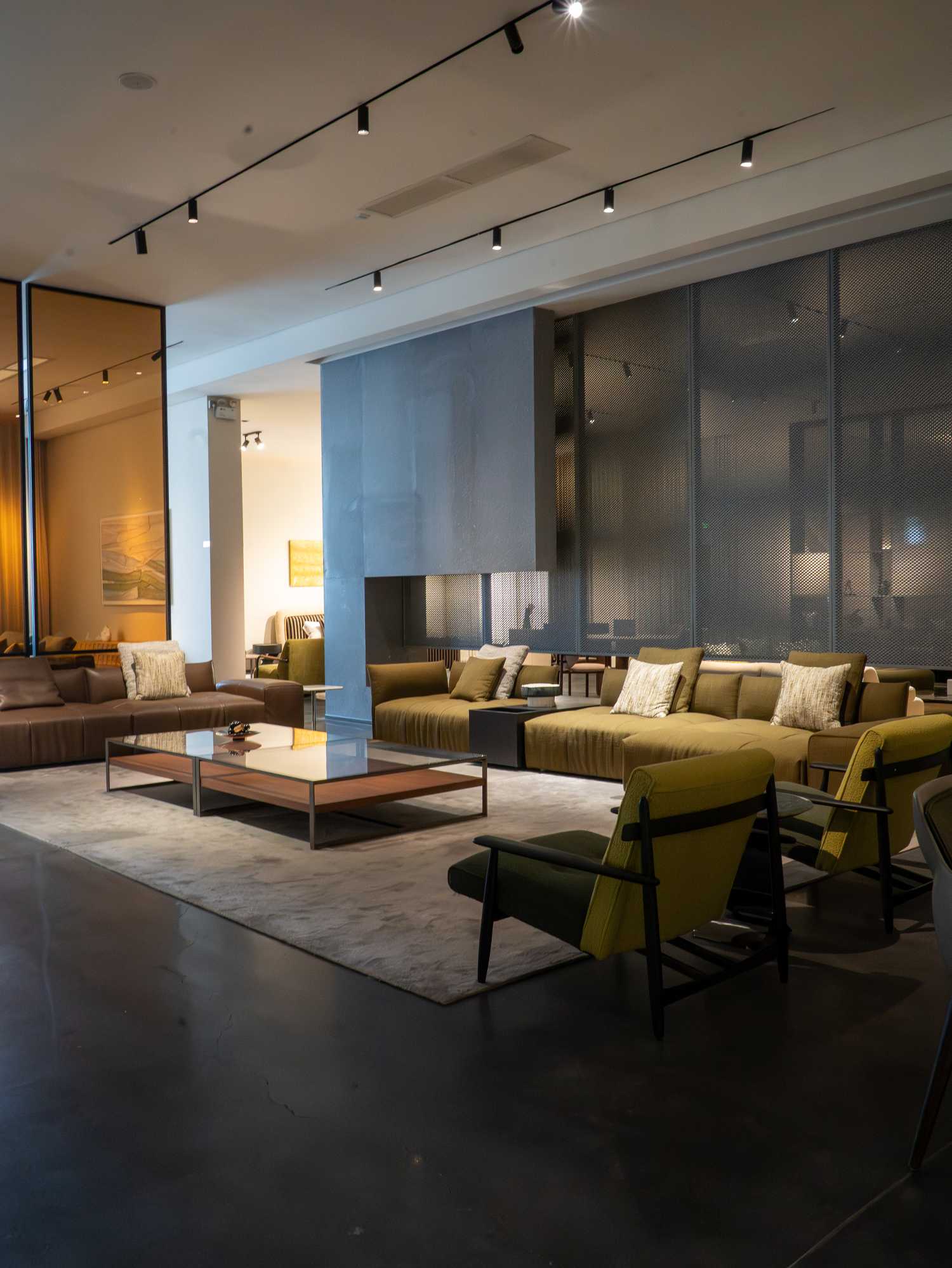
HomeBridge’s Canada residence account describes an oak-led furniture direction, while its Sydney account uses a different neutral and timber palette. Its furnishing service includes design coordination and factory matching. These examples support its role in developing a home scheme across separate products.
The difference from a single-brand collection is the flexibility to choose the closest item for each room. A suitable sofa may come from one source and a dining table from another. The coordination work is to bring their actual materials together, including sample review and item-level approval, before those choices become separate orders.
Compare the service proposal with the cost and time of managing those relationships yourself. A useful material schedule records the supplier, item, sample reference and approved application. This lets a homeowner trace the selected oak appearance, fabric colour or metal finish back to the exact purchase it belongs to.
Read the HomeBridge company profile.
6. OPPEIN — separate cabinet substrate from visible finish
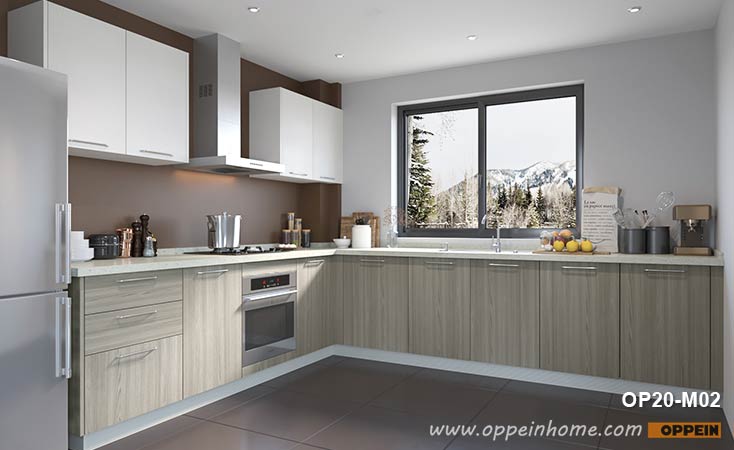
OPPEIN’s official FAQ lists cabinet substrates including MDF, plywood and particleboard, and several door finish options. Its OP20-M02 kitchen presentation provides a named melamine design, while the walnut-look and warm-grey collection shows a coordinated interior direction.
The useful comparison is the layered specification. A wood-grain appearance does not identify the substrate beneath it, and a cabinet-front choice does not identify the worktop or hardware. This makes OPPEIN relevant when the material palette includes major fitted work as well as furniture. Keep each component separately named in the proposal.
Use the cabinetry samples as context for MLISSIA or LANDBOND furniture, rather than treating a visual similarity as the same material. Compare the exact cabinet specification with SNIMAY or PA Home. Then review the furniture and fitted finishes together under the room’s intended lighting before final approval.
Read the OPPEIN company profile.
7. SNIMAY — carry finishes through storage and furniture layouts
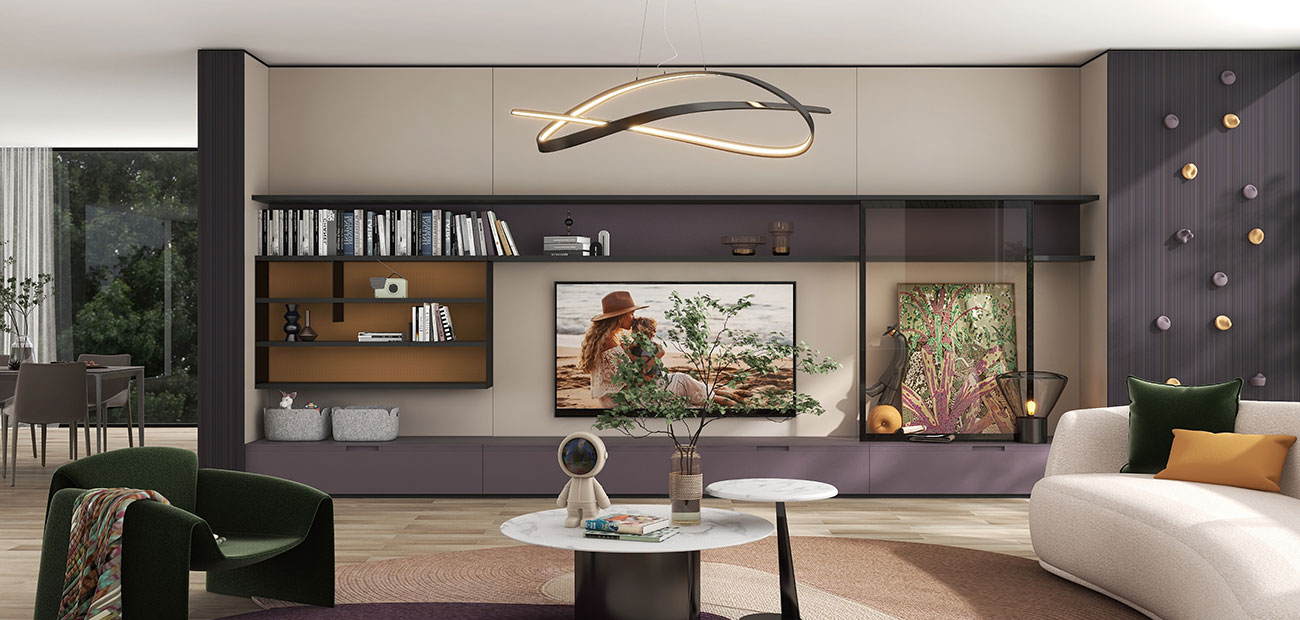
SNIMAY’s Light Years living-room design brings wall storage and seating into one composition. Its whole-house scope includes wardrobes, bookcases, vanities and loose furniture. This provides a material comparison centred on the room’s fitted background and the pieces placed in front of it.
For a living space, the cabinet front can cover a larger visual area than the sofa. Decide whether the upholstery should repeat, soften or contrast with that background. A supplier proposing both categories can illustrate the relationship, but the final sample and item schedule should distinguish the two products.
Compare SNIMAY’s complete room proposal with a separate furniture and cabinetry route. Ask for the cabinet finish, hardware and furniture covering as separate selections. This is especially useful when one room includes a display wall, closed storage and a sofa: each surface has a different role even within a coordinated scheme.
Read the SNIMAY company profile.
8. PA Home — manage material continuity across fitted systems
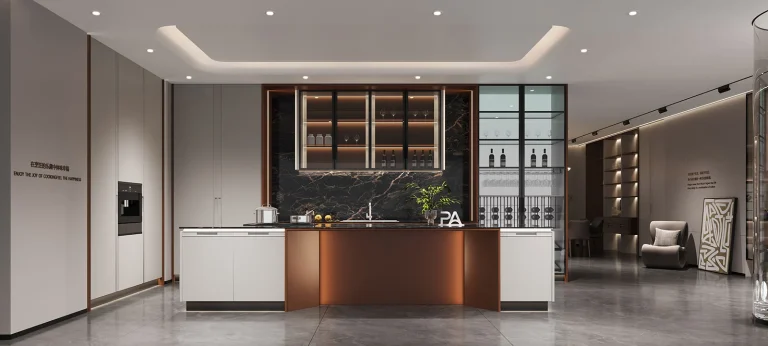
PA Home’s product-system profile groups cabinets, windows, doors, full bathrooms and wall panels. Its enquiry process starts with the property plan and preferred design. The comparison role is a coordinated fitted package with multiple surfaces and building interfaces.
A wall panel beside an interior door may need a deliberate finish relationship, while bathroom cabinetry has different exposure and service requirements. Similar colours can connect the rooms, but the products remain distinct. For a furniture-first purchase, these fitted surfaces provide the backdrop against which upholstery and timber furniture are selected.
Compare PA Home when several fitted categories are being purchased together. Keep material descriptions and finish codes tied to each system, then share the approved palette with the furniture supplier. This makes it possible to compare a broader package with specialist orders while retaining a clear record of each surface and component.
Read the PA Home / PA Kitchen company profile.
9. Source Foshan — turn showroom samples into item-level approvals
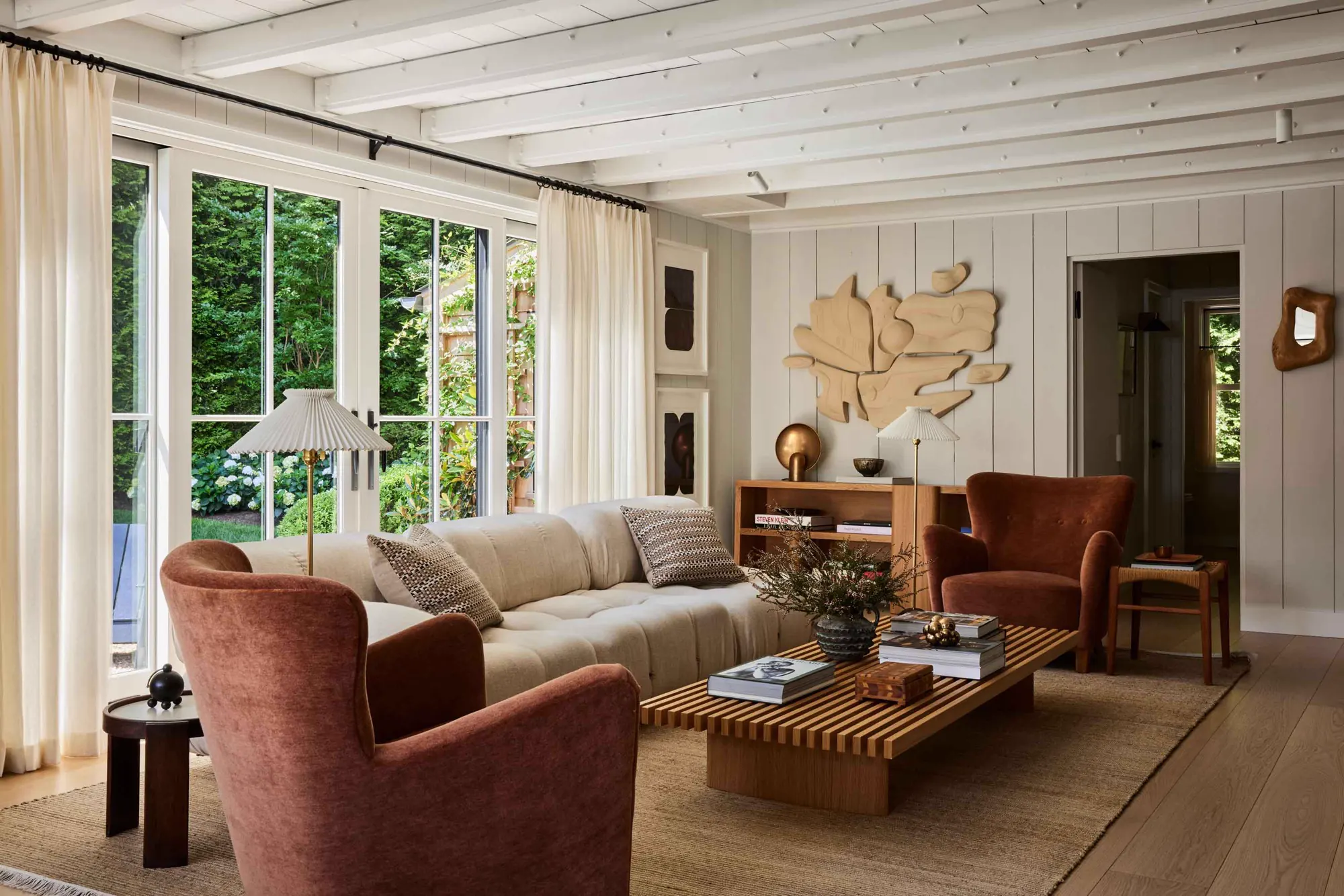
Source Foshan’s Australian buyer showroom account includes discussions around upholstery, timber furniture and other finishes. Its whole-home room sheets organise materials and prices by item. Its quality-control presentation identifies product-specific observations, including dimensions, upholstery, function and packing.
This route suits buyers whose palette is emerging from several showroom visits. The risk in that process is administrative: an attractive sample can lose its connection to a quoted item as the shortlist grows. A sourcing team’s useful contribution is to preserve the supplier, model and accepted sample behind each selection.
Compare the service with a direct-brand route when several manufacturers remain in the final package. Keep the approved reference for every visible finish and record any later substitution as a new decision. The receiving and inspection plan should then refer to those same item identities.
Read the Source Foshan company profile.
10. Asiaction — verify a defined specification during order execution
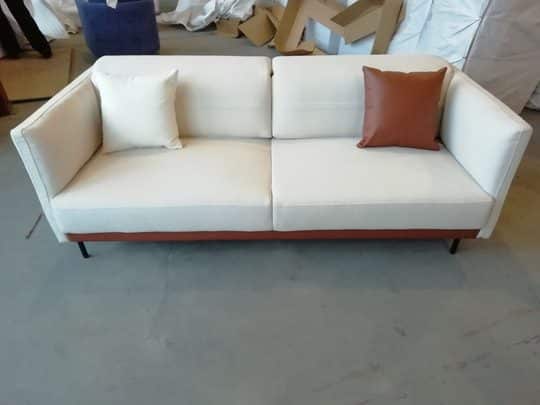
Asiaction’s inspection service describes dimensional, visual, functional and packing checks using defined checklists and sampling. Its order-management workflow connects purchasing conditions, production follow-up and shipment preparation. This is relevant after the furniture and material choices have been specified. Its business-buyer remit is directed at importers, retailers and larger or recurring project orders.
The service answers a different question from choosing a palette. A purchasing office can examine agreed attributes of selected goods; it still needs a usable reference for the accepted finish, dimensions and construction. A photograph of a mood board is less precise than an item schedule supported by the agreed sample and drawing.
Professional buyers can compare this oversight with the checking arrangements offered by the selected factories. Define which products are examined and which attributes determine the release decision. That keeps the role focused: the design team chooses the material relationship, while the order record and agreed checks follow the actual goods.
Read the Asiaction company profile.
Use an approval set that follows the real products
Create a small material board with a reference beside every sample. Link that reference to the furniture model, room and supplier. Record whether the selection concerns a fabric, timber finish, veneer, cabinet front, worktop or hardware component. This prevents one attractive colour description from standing in for several different product specifications.
Approve the relationship between materials as well as the samples themselves. Review the sofa covering beside the dining finish and the bedroom selection in the intended room context. If a supplier proposes an alternative, compare it against the accepted reference before changing the order. A consistent approval record makes both single-brand and mixed-supplier packages easier to manage.
Extend the finish register across kitchen cabinets and islands, wardrobes, living-room and TV cabinetry, bathroom vanities, wall panels, interior doors and loose furniture. Each line needs its own material identity. Link the design approval, protective packaging and shipping record to that item, so a complete-home palette remains traceable across different products and suppliers.
Questions about the supplier comparison
Which supplier is a useful first comparison for custom upholstery?
MLISSIA Casa provides an identifiable sofa example with advertised colour, fabric and size choices, together with a pre-production approval process. KUKA adds a programme-led upholstery comparison, while LANDBOND is relevant when visible timber and fabric are both central to the design.
Should matching-looking finishes be treated as the same material?
No. Record the actual material and finish for each product. A wood-grain cabinet surface, a timber furniture frame and a veneer tabletop can have related appearances while being different constructions. The specification should make that distinction clear.
What should be approved before the order moves into production?
Approve the selected models, dimensions, materials, finish or cover references, quantities and applicable drawings. Attach the accepted sample record to the item schedule. Keep changes connected to those same references so every supplier works from the current selection.